

Inside Information from Co-owners Casey and Tom Conrad
Progressive lenses have been around for decades, but the progressive lenses you purchase today are dramatically different from the ones people wore when our office opened in 1994. In fact, Heartland Optical co-owners Casey and Tom Conrad have watched progressive lens technology change over more than 30 years. We’re sharing their insights to show you how much progress has been made in progressive lenses.
Progressives 101
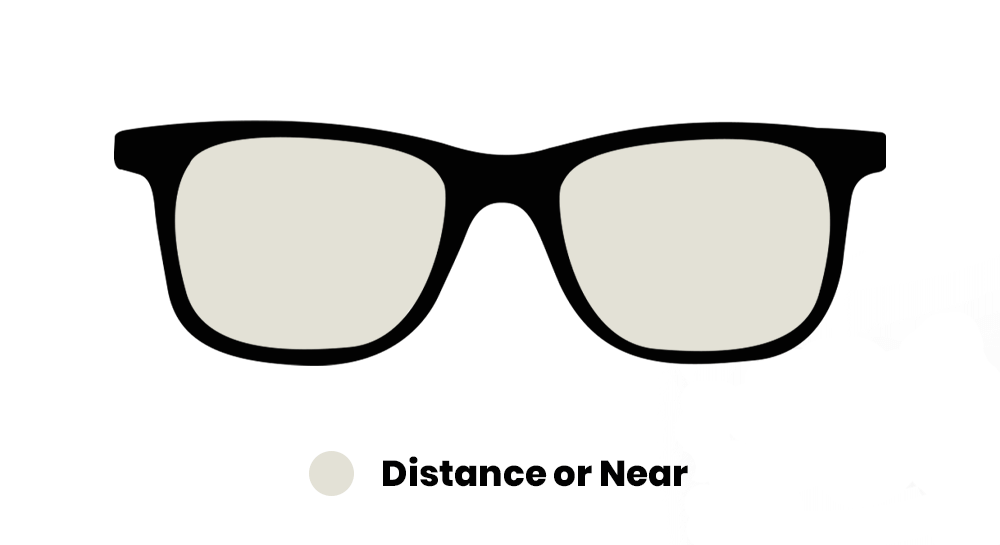
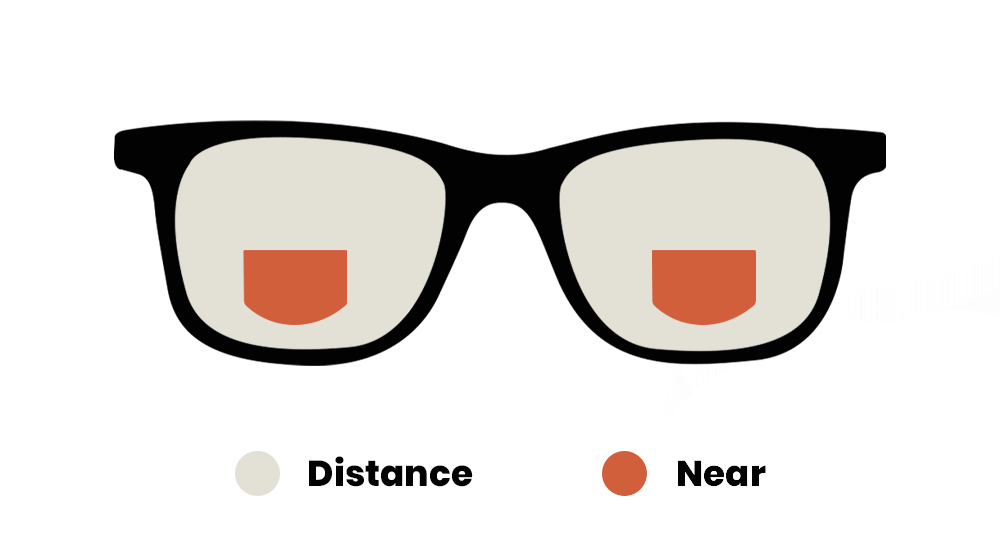
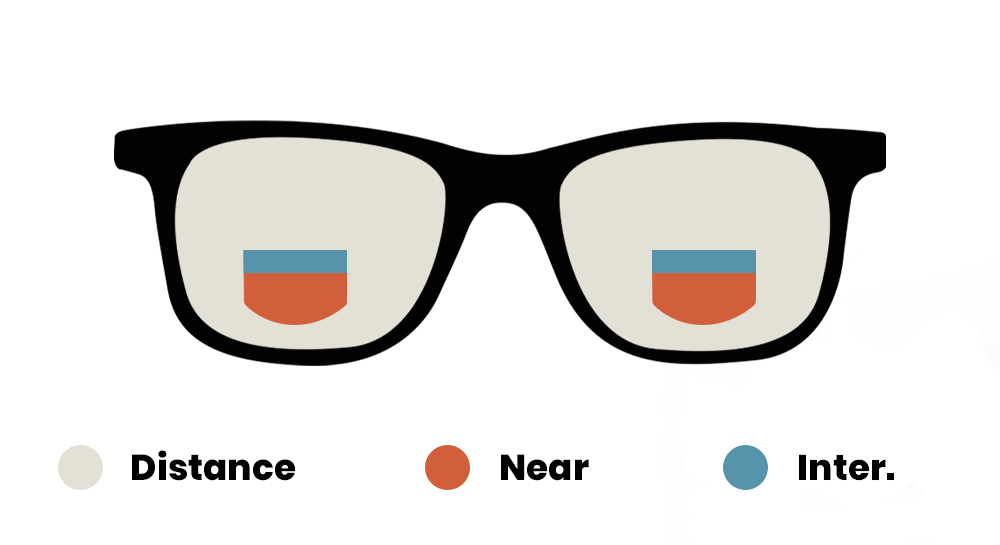
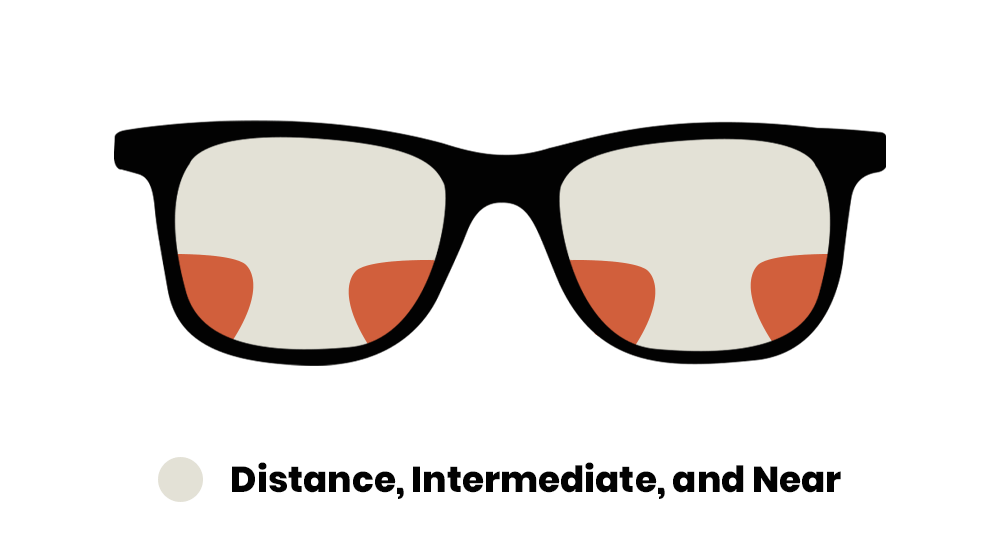
Progressive lenses allow you to see at multiple distances without the visible line found in a traditional bifocal. Whether you’re looking across the room, at your computer, or at your phone, different portions of the lens bring each distance into focus. What has changed over the years is how precise those areas can be, and that’s where Casey and Tom’s expertise comes in.
Progressive Lenses Went Digital
Early progressive lenses relied on designs molded into the front surface of the lens, and manufacturers offered a limited selection of options. “Progressive designs were molded into the front surface of the lens, giving everyone the same design,” Casey explains.
Digital surfacing changed that process. Today, Heartland Optical takes advantage of sophisticated calculations to create the progressive design on the back surface of the lens. Instead of starting with one standard progressive design, our in-house lab works with far more information to determine how a particular lens should perform.
“The biggest change is how much information we can now build into the lens,” Tom says. “We take the prescription, the frame, and what that patient needs to see throughout the day and use all of it to create their custom progressive lens.”
Our digital process connects the laboratory with lens-design technology partner IOT. The measurements we gather are sent through IOT’s specialized lens calculations and returned to our lab to produce the finished lens.
Nothing is Predetermined
Today, the lens design itself can change. “Designs are surfaced on the back of the lens and calculated individually depending on your prescription, frame choice, pupillary distance, and eye alignment in the frame,” Casey says.
Measurements, however, only tell part of the story. At Heartland Optical, our opticians also want to know how you actually use your eyes. Do you spend most of the workday looking at two computer monitors? Do you drive frequently? Do you read for long stretches? Are you constantly moving between a phone, a desktop screen, and people across the room?
“We ask a series of questions about the patient’s daily activities and priorities,” Tom explains. “We combine that data, the prescription, and the frame information into a design where every progressive lens is made for that specific person.”
Casey has a simple way of describing the difference: “Progressive lenses are now like your fingerprint, yours individually.” That personalization is one reason choosing progressive lenses involves a conversation with your optician rather than simply selecting a product from a list.
Progressive Lenses Can Do Different Jobs
Digital lens technology has expanded what a progressive lens can be designed to do. For years, manufacturers offered relatively few progressive lens designs. Today, the same digital manufacturing capabilities that allow lens personalization also let designers emphasize different areas of vision for different activities.
“There are progressive and occupational lens designs made with computer use in mind,” explains Tom. “Other designs can prioritize the visual demands of driving or sports. Specialized options can accommodate curved, wraparound sunglasses or professions that require unusual viewing positions. IOT, for example, currently offers progressive designs developed specifically for everyday use, driving, sports, and aviation.”
At the end of the day, this allows our team to shift the question from: “Do you need a progressive lens?” to “What do you need your progressives to help you do?”
Field of Vision is Better
Anyone who wore older progressive lenses may remember one of their biggest compromises: peripheral distortion. Early progressive designs provided useful distance, intermediate, and near vision, but the usable areas could be relatively narrow. Moving your eyes toward the sides of the lens could introduce blur or a distorted sensation, which meant that many people simply stopped wearing them.
The overall progressive lens experience has changed considerably. “Over the last 20 years, the biggest advancement has been widening the intermediate and reading corridor, along with ridding the lens of distortion in the distance area,” Tom says. Casey points to the same improvement. “Peripheral distortion is now minimized, and the width of field is greatly expanded. The transition between far and near is smoother and easier to manage.”
All of these improvements impact how most people use their vision today. Computer monitors, dashboards, tablets, and phones place much of our day between traditional “distance” and “reading” vision. The progressive lenses produced at Heartland Optical meet all these needs. Our in-house lab even takes into account the size and shape of the frame and how the glasses sit in relation to your eyes.
Progressives Have Come a Long Way
If you tried progressive lenses years ago and struggled with them, your previous experience may not tell you much about what a progressive lens can feel like today. Manufacturing has changed. Measurements have changed. Even the available frames have changed. Most importantly, the ability to design the lens around the individual wearer has improved to the point where your eye’s focus feels effortless.
Tom has experienced that difference himself with his own progressive glasses. “My progressives feel and perform close to the single vision lenses I had before, but I can see distance, intermediate, and up close with little to no distortion.”
After decades of fitting progressive lenses, Heartland Optical has had a front-row seat to that evolution. Our opticians can help you understand the newest options, talk through how you use your vision every day, and determine which progressive lens design makes sense for you. Ready to see what today’s progressive lenses can do? Schedule an eye exam or stop by Heartland Optical to talk with our team.